sales@gptmold.com
EnglishFrançaisDeutschРусскийEspañol

Gas Assist Injection Molding

Home » Gas Assist Injection Molding

Part production & in-house mold manufacture

Gas Assist Injection
Molding Manufacturer

Custom gas assist molded parts, manufactured in our own factory. Connect your part requirements, mold development and production in one clearly defined project.

Request a Quote

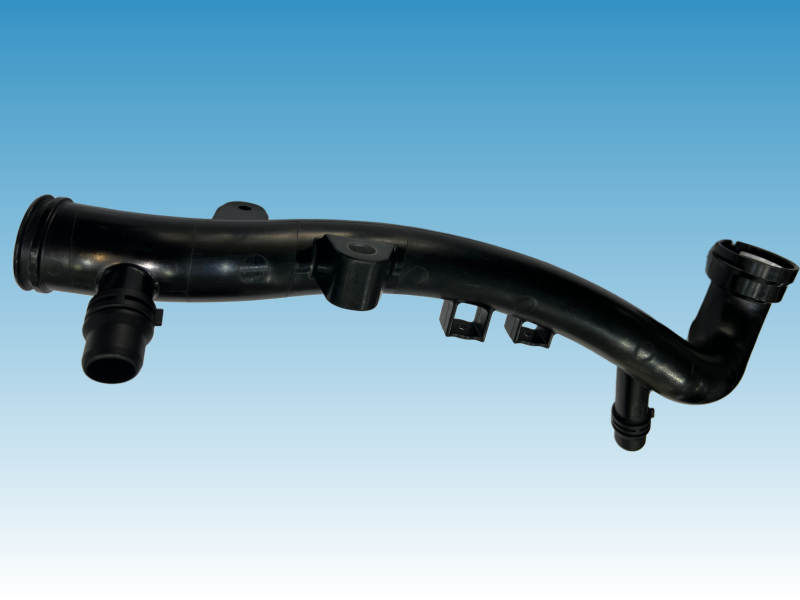
Black molded component with branches, ports and mounting features
Molded component with branched geometry and mounting features.

Gas Assist Injection Molding Services
From Part Requirements to Production

In internal gas assist injection molding, pressurized gas forms hollow sections within selected regions of a molded plastic part. In a suitable design, it can help address thick sections, weight and appearance requirements.

Our own factory carries out gas assist injection molding and mold manufacture. We start with the part you need, then define the tooling and production scope.

Are you working through these challenges?

  • Sink marks around thicker sections
  • Weight reduction without losing required function
  • Curved or branched geometry with solid interfaces
  • New tooling or an existing mold to evaluate
  • Clear sample and production acceptance criteria
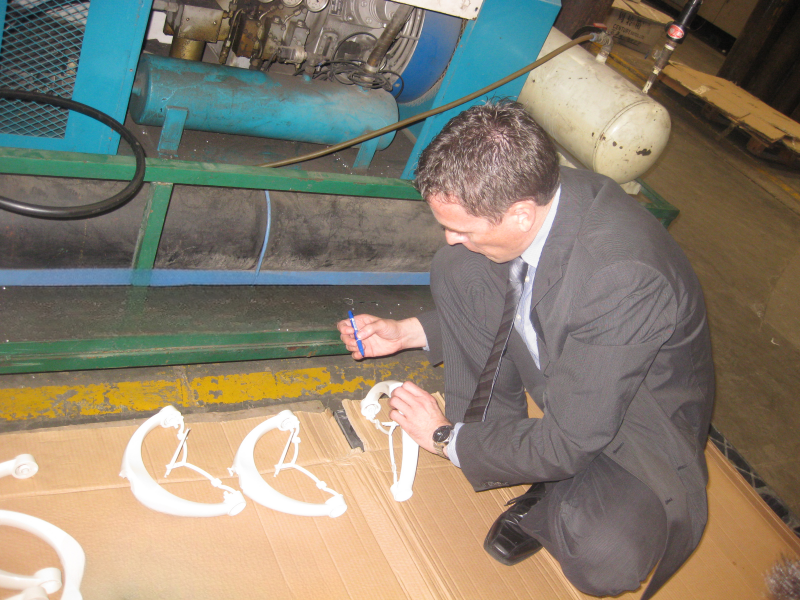
Molded samples being reviewed in a workshop setting
Molded-sample review in a workshop setting.

Understanding Our Core Services

Gas Assist Injection Molding

Custom part production in our own factory, built around the agreed material, geometry and acceptance requirements.

Define the production brief:

  • Part function, appearance and critical dimensions
  • Resin grade and expected quantity
  • Samples, inspection and acceptance criteria
Discuss your molded part →

Gas Assist Mold Development

Tooling development with mold manufacture in-house. Consider the plastic flow, gas path and part requirements together.

Define the tooling brief:

  • New tooling or existing-mold review
  • Gas channels, entry locations and solid regions
  • Tooling deliverables and trial requirements

Explore mold development →

Internal Gas Assist and Conventional Injection Molding

Both processes form plastic in a mold. The difference is how selected thicker sections are managed.

  • Internal gas assist: gas forms an internal hollow region in a suitable design. Gas penetration and the remaining wall must be evaluated.
  • Conventional molding: the cavity is filled with plastic without a deliberate gas-formed hollow core.

Neither route is automatically better. Geometry, material, surface requirements and validation determine the appropriate approach. Read the process guide →

Part, Tooling and Process Working Together

Evaluate the details that determine whether gas assist is right for your part.

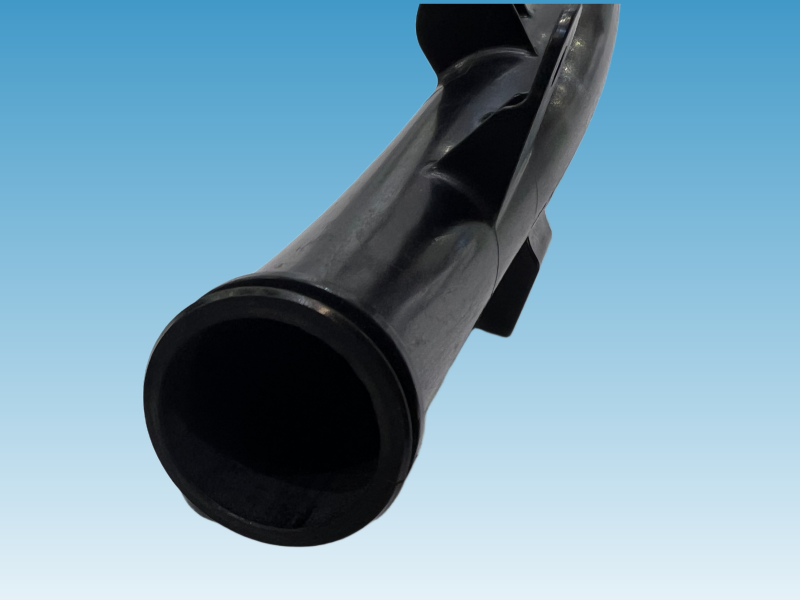
Close view of a hollow opening in a black molded component

Hollow-section geometry

Check the gas path, openings and remaining wall against the part’s function.

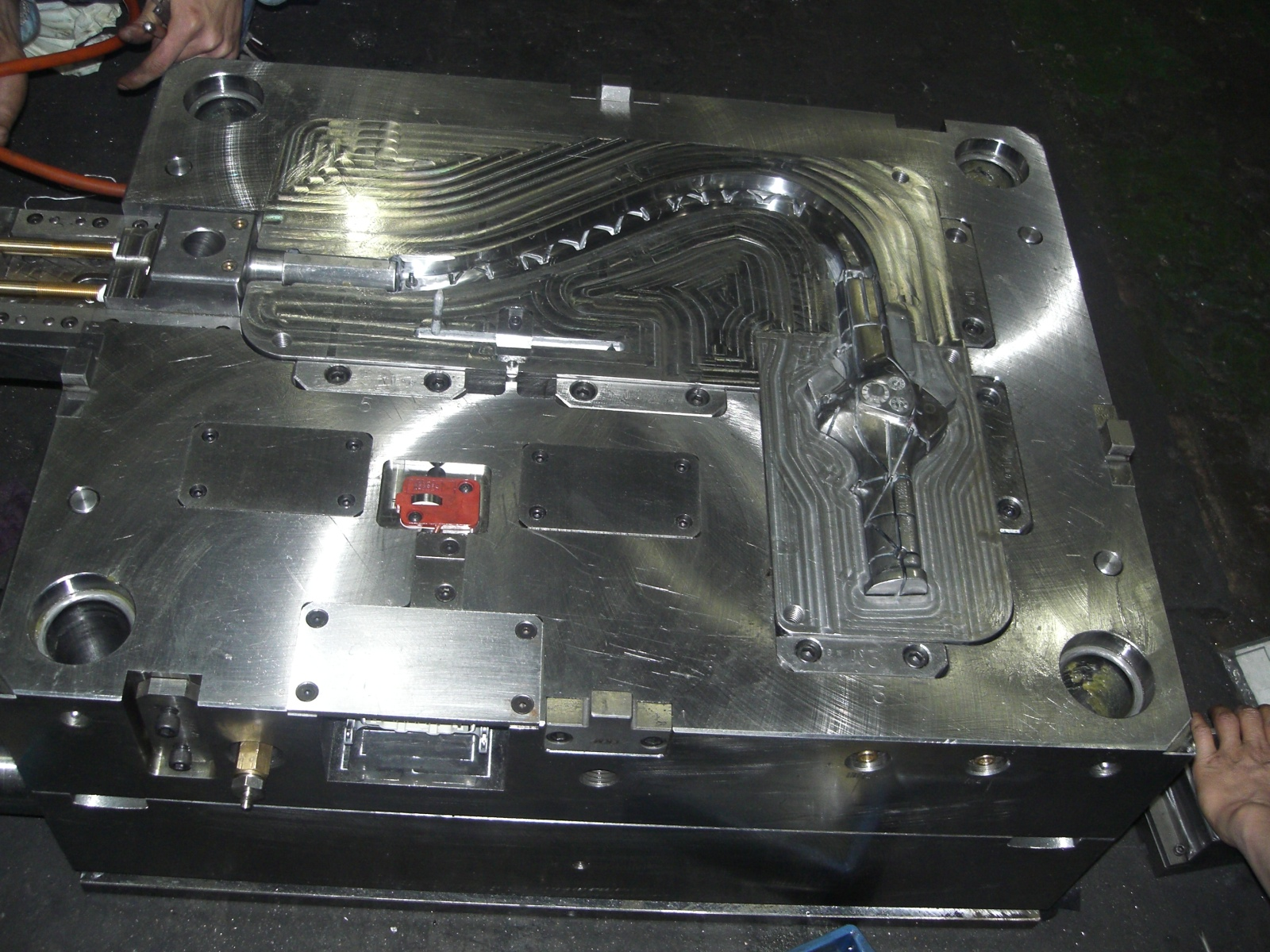
Polished steel mold half with a curved cavity

Tooling development

Plan plastic flow and gas entry together, with mold manufacture in-house.

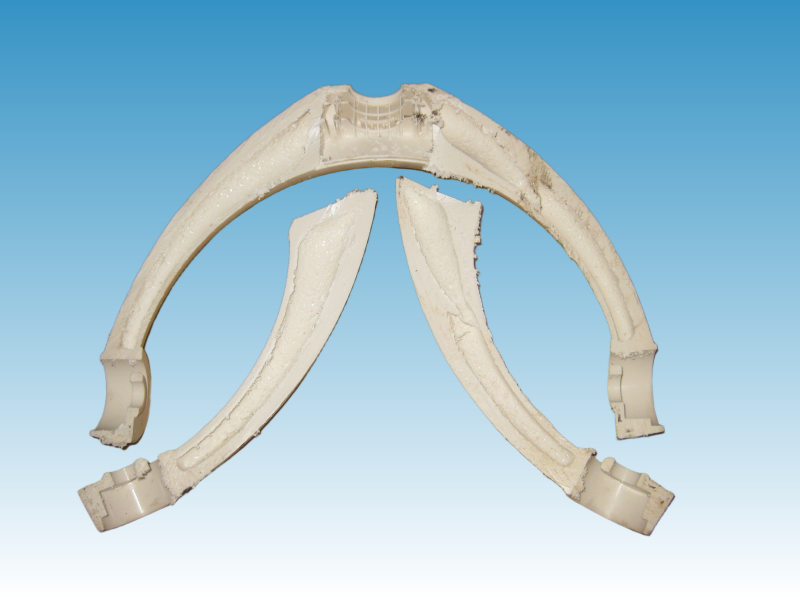
Opened white curved component showing its internal section

Internal geometry review

Use suitable sample evidence to assess hidden features, not only the outside surface.

Material Requirements

Specify the grade and the performance you need. Material suitability must be assessed with the part geometry and intended process.

When a Material Is Already Specified

Share the exact resin grade, supplier information and relevant datasheet.

  • Color, additives and reinforcement
  • Drying and processing requirements
  • Required compliance or traceability evidence

When Material Selection Is Still Open

Describe the service conditions before comparing material options.

  • Mechanical loads and temperature range
  • Chemical exposure and surface requirements
  • Critical dimensions and assembly conditions

Geometry and Application Considerations

These are design considerations, not a customer portfolio or a promise that every part is suitable.

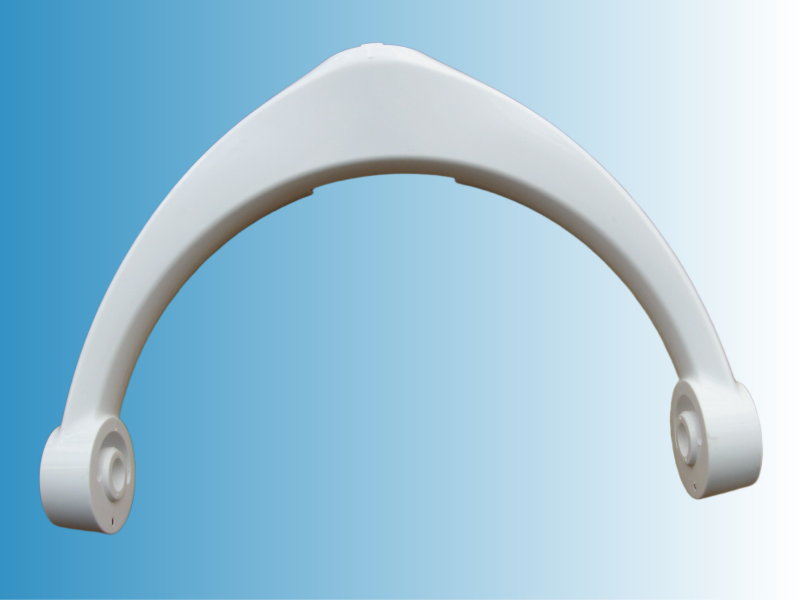
White curved molded component with end mounting features

Curved and Elongated Sections

Review whether the intended gas path can follow the geometry while leaving the required wall.

Handles and Grip-Like Forms

Define loads, contact surfaces, mounting points and regions that must remain solid.

Branched Components

Evaluate how branches and transitions affect flow, gas penetration and functional interfaces.

Appearance-Critical Parts

Identify visible faces and acceptable marks before setting the process and tooling brief.

Solutions for Your Project Stage

Start with the information you have. Build the next decision around the requirements that matter.

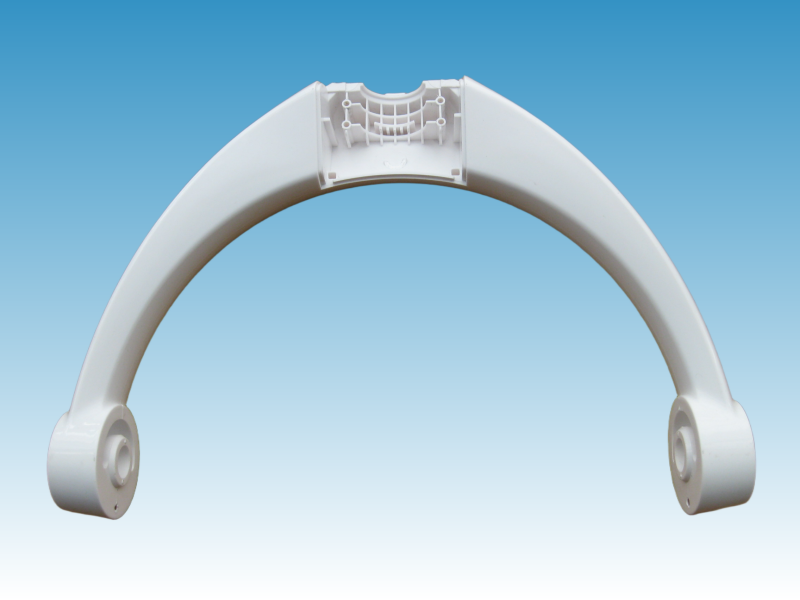
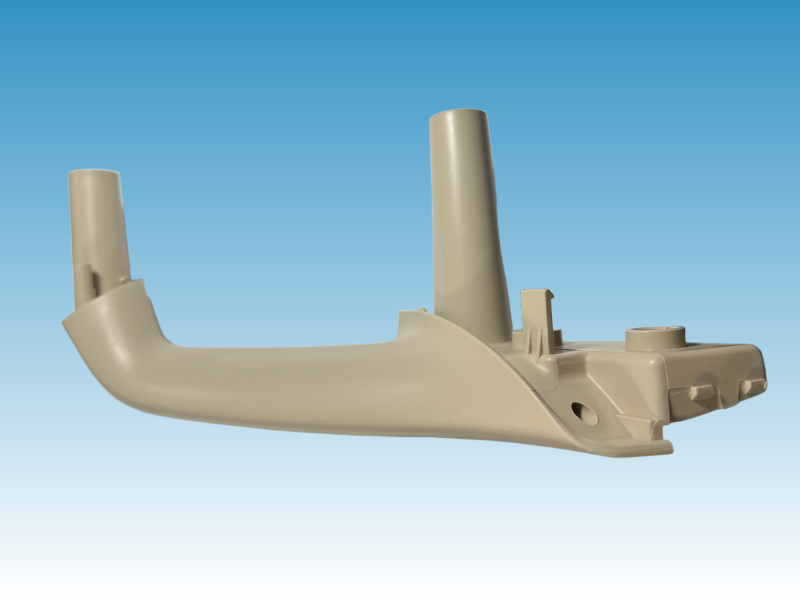
White curved part with mounting features and molded ribs

A New Part Concept

Share the available model or drawing, intended use and design flexibility. Identify what gas assist needs to achieve.

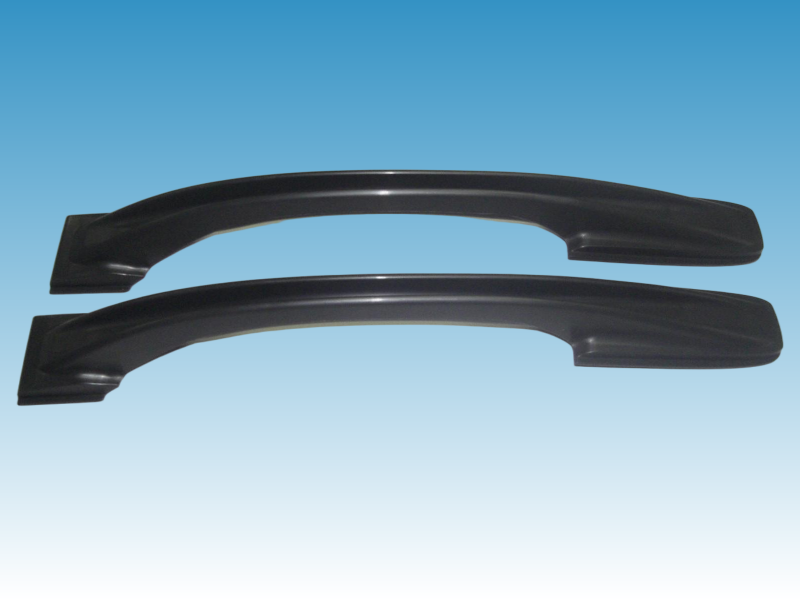
Two black elongated curved molded components

An Appearance Challenge

Mark the cosmetic surfaces and provide photographs of the current result, including the areas that need improvement.

Light-colored molded component with tubular and mounting features

Functional Features to Protect

Identify interfaces, load paths, mounting points and dimensions that cannot change.

Steel mold half with machined cavity and surrounding tool features

New Tooling to Develop

Bring part geometry, material requirements and expected volume together before agreeing the tooling scope.

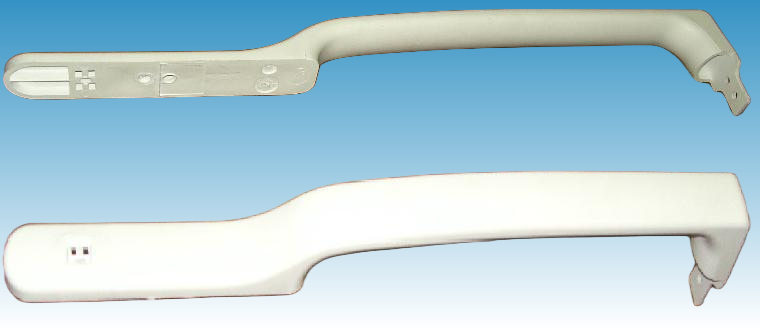
Two views of a light-colored elongated molded component

An Existing Part or Mold

Share the current part, tool information and desired outcome. Conversion needs an individual review, not simply an added gas inlet.

A Clear Scope for Your Gas Assist Project

Own-Factory Part Production

Gas assist injection molding production is carried out in our own factory.

In-House Mold Manufacture

Mold manufacture is also completed in our own factory, alongside the agreed development scope.

Part-Led Evaluation

Begin with function, surfaces and dimensions rather than assuming a process will suit every geometry.

Defined Project Requirements

Make the drawings, resin information, quantities and tooling deliverables clear before quotation.

Agreed Acceptance Criteria

Define the sample evidence, critical checks and approval requirements before accepting the result.

What a Suitable Gas Assist Design Can Offer

Benefits depend on the part, material and validated process. They are not guaranteed savings.

Person reviewing white curved molded samples in a workshop

Lower Part Weight

A hollowed section can use less material than an equivalent solid section, where the required function is retained.

Improved Surface Results

Gas pressure can help address sink in appropriate thicker regions, subject to geometry and process validation.

Functional Integration

Evaluate hollow sections alongside solid bosses, mounting features and the part’s assembly requirements.

Better-Informed Decisions

Use the project brief and sample evidence to assess trade-offs before committing the final production scope.

Let’s Review Your Gas Assist Molding Project

Send your drawing, material requirements, expected quantity and target schedule. We’ll use them to define the next step.

sales@gptmold.com

Request a Quote →